Old cabinets, broken tiles, plasterboard, timber, carpet, packaging, and unwanted fittings can quickly take over garages, driveways, and outdoor areas. This is why renovation waste disposal is an important part of keeping a project organised, safe, and ready for the next stage of work.
Large or awkward items can also become part of the clean-up process, including furniture, appliances, and even junk piano removal when older household items are being cleared during a renovation or property update. Knowing what can and cannot usually be removed helps avoid delays, unsafe handling, and disposal issues.
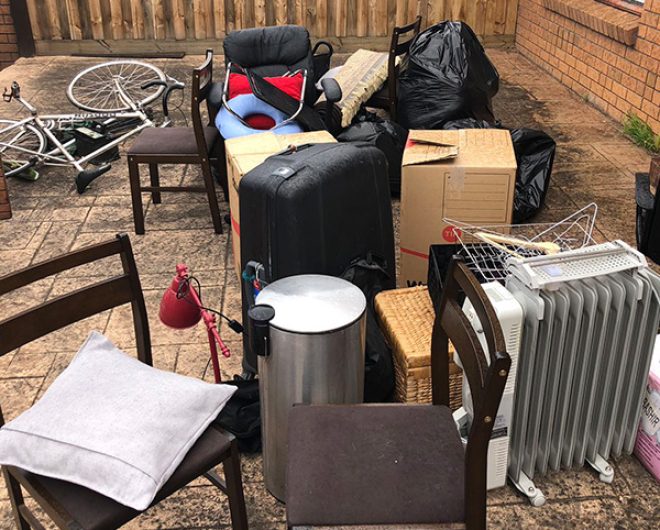
What Renovation Waste Usually Includes
Renovation waste can come from kitchens, bathrooms, laundries, living areas, outdoor structures, and general property upgrades. Some items are simple to remove, while others require more careful handling because of size, weight, or disposal rules.
Common removable items may include:
- Timber offcuts and old framing materials
- Broken tiles, bricks, and concrete pieces
- Carpet, underlay, and flooring materials
- Old cabinets, benchtops, and shelving
- Doors, fixtures, and general household junk
These materials are often bulky and can create hazards if left around work areas for too long.
Items That Need Extra Care
Not all renovation waste is handled the same way. Some materials may be heavy, sharp, dusty, or difficult to move through narrow spaces. For example, bathroom demolition waste may include broken ceramics and glass, while kitchen renovations may involve large cupboards, splashbacks, and appliance packaging.
Heavy items such as pianos, large wardrobes, stone benchtops, and old bathtubs may require careful lifting and transport planning. These items can damage walls, floors, or entryways if they are moved without proper equipment and handling.
What Usually Can’t Be Removed With General Waste
Certain materials may not be accepted as standard renovation rubbish because they require specialised disposal. These may include hazardous or regulated materials.
Examples can include:
- Asbestos-containing materials
- Chemicals, solvents, and paint tins with liquid inside
- Gas bottles or pressurised containers
- Medical or biological waste
- Certain electrical or contaminated materials
Rules can vary depending on local council requirements and waste facility guidelines, so these items may need separate assessment.
For a cleaner renovation site and easier waste removal, speak with a professional rubbish removal team about the materials that need to be cleared.

No comments:
Post a Comment