Sunday, May 17, 2026

Renovation Waste Disposal: What Can and Can’t Be Removed

 Old cabinets, broken tiles, plasterboard, timber, carpet, packaging, and unwanted fittings can quickly take over garages, driveways, and outdoor areas. This is why renovation waste disposal is an important part of keeping a project organised, safe, and ready for the next stage of work.

Large or awkward items can also become part of the clean-up process, including furniture, appliances, and even junk piano removal when older household items are being cleared during a renovation or property update. Knowing what can and cannot usually be removed helps avoid delays, unsafe handling, and disposal issues.
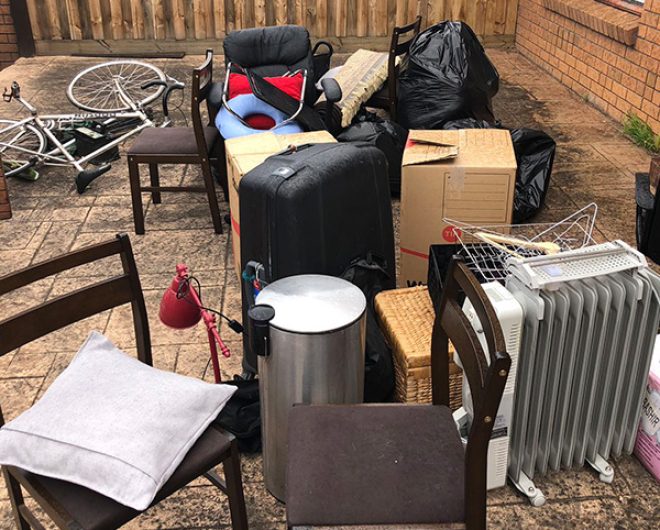
renovation waste disposal

What Renovation Waste Usually Includes

Renovation waste can come from kitchens, bathrooms, laundries, living areas, outdoor structures, and general property upgrades. Some items are simple to remove, while others require more careful handling because of size, weight, or disposal rules.

Common removable items may include:

  • Timber offcuts and old framing materials
  • Broken tiles, bricks, and concrete pieces
  • Carpet, underlay, and flooring materials
  • Old cabinets, benchtops, and shelving
  • Doors, fixtures, and general household junk

These materials are often bulky and can create hazards if left around work areas for too long.

Items That Need Extra Care

Not all renovation waste is handled the same way. Some materials may be heavy, sharp, dusty, or difficult to move through narrow spaces. For example, bathroom demolition waste may include broken ceramics and glass, while kitchen renovations may involve large cupboards, splashbacks, and appliance packaging.

Heavy items such as pianos, large wardrobes, stone benchtops, and old bathtubs may require careful lifting and transport planning. These items can damage walls, floors, or entryways if they are moved without proper equipment and handling.

What Usually Can’t Be Removed With General Waste

Certain materials may not be accepted as standard renovation rubbish because they require specialised disposal. These may include hazardous or regulated materials.

Examples can include:

  1. Asbestos-containing materials
  2. Chemicals, solvents, and paint tins with liquid inside
  3. Gas bottles or pressurised containers
  4. Medical or biological waste
  5. Certain electrical or contaminated materials

Rules can vary depending on local council requirements and waste facility guidelines, so these items may need separate assessment.

For a cleaner renovation site and easier waste removal, speak with a professional rubbish removal team about the materials that need to be cleared.

Wednesday, May 13, 2026

Scheduled Vs One-Off Commercial Rubbish Removal: What Works Better

For many Australian businesses, commercial rubbish removal is essential for keeping workplaces clean, safe, and organised. Offices, shops, warehouses, hospitality venues, and commercial sites all create different waste volumes, so the right option depends on how often rubbish builds up and how quickly it needs to be cleared.

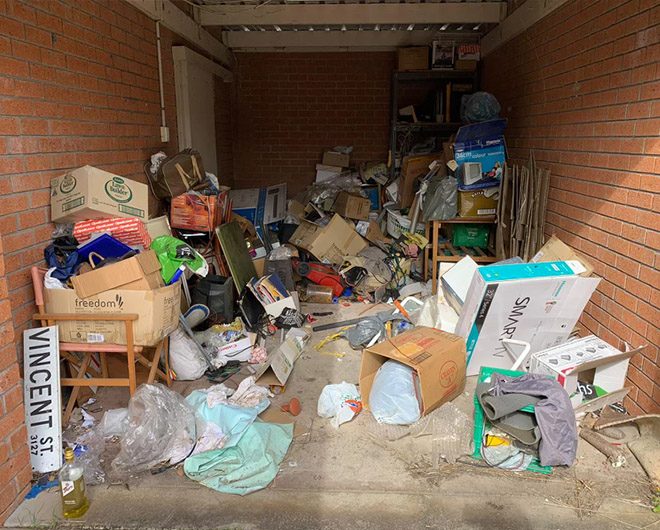
In some cases, same day garbage pickup is useful when waste needs urgent removal before an inspection, move, renovation, or busy trading period. However, businesses with regular rubbish output may benefit more from a scheduled collection plan.

same day garbage pickup

1. What Is Scheduled Rubbish Removal?

Scheduled rubbish removal is arranged weekly, fortnightly, or monthly. It suits businesses that produce waste regularly and need a consistent collection routine. This option helps prevent overflowing bins, blocked storage areas, odours, and workplace clutter.

2. When Does One-Off Rubbish Removal Work Better?

One-off rubbish removal is suitable for occasional clean-outs, end-of-lease moves, stockroom clear-outs, refurbishments, or unexpected waste. It gives businesses flexibility without needing an ongoing collection plan.

3. Cost and Convenience

Scheduled services may offer better long-term value for businesses with steady waste output. One-off removal can be more practical for smaller businesses or workplaces that only need rubbish cleared occasionally.

4. Workplace Safety and Presentation

Built-up rubbish can create trip hazards, attract pests, and make commercial spaces look poorly managed. Scheduled removal supports ongoing cleanliness, while one-off removal helps restore order after a specific event or busy period.

5. Which Option Works Better?

The better option depends on the business type and waste pattern.

  • Scheduled rubbish removal suits businesses with regular waste output.
  • One-off rubbish removal suits occasional clean-outs or short-term waste needs.
  • Urgent pickup may be useful when waste needs to be removed quickly.
  • Larger commercial sites may benefit from combining scheduled collections with occasional extra pickups.
  • Smaller businesses may prefer one-off services if waste is minimal or irregular.

The best choice depends on waste volume, business size, collection frequency, and workplace needs. Scheduled removal provides consistency, while one-off removal offers flexibility when rubbish builds up unexpectedly.

For a cleaner and safer commercial space, speak with a professional rubbish removal team about the option that best suits your business.