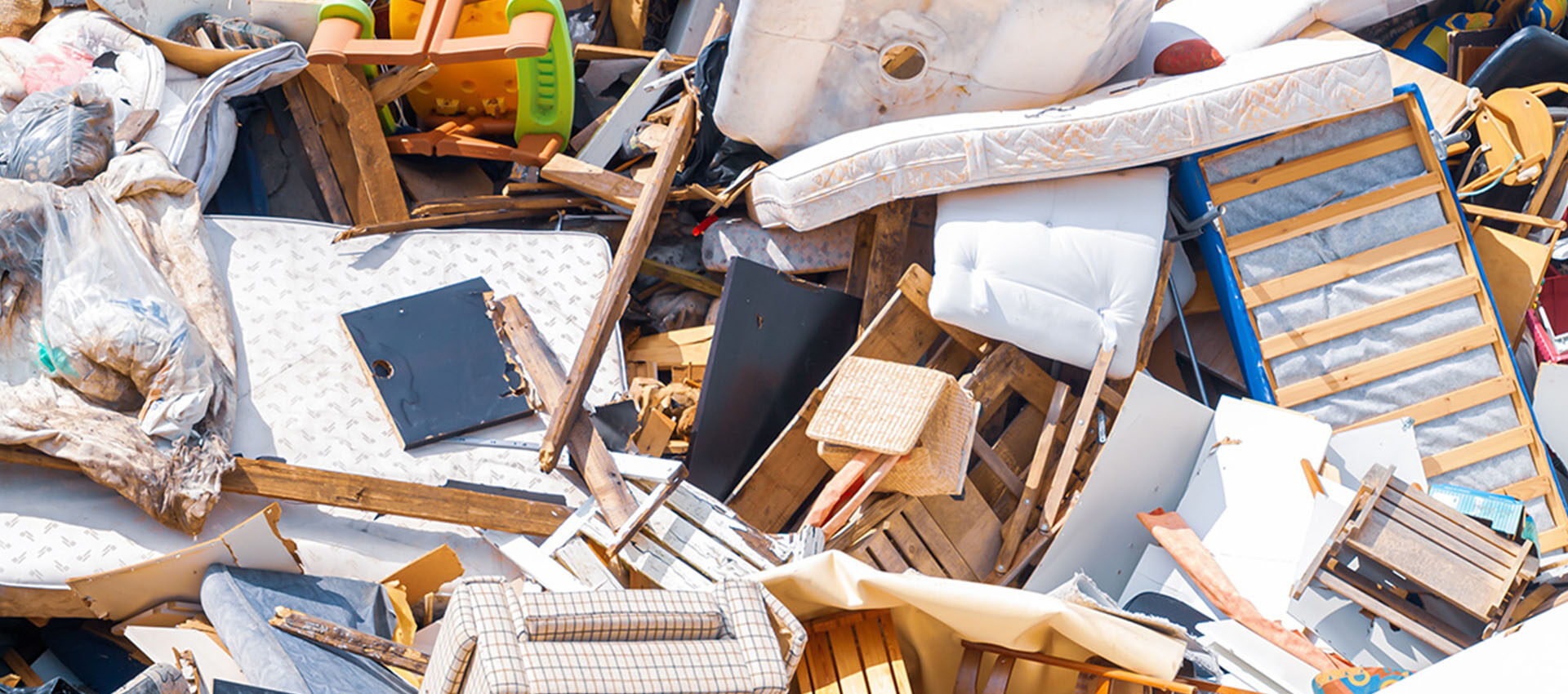
In Victoria, professional cleaning is required when vacating a rental property, dealing with a deceased estate, or relocating an office or apartment. When a person partners with a professional waste removal team for house removal and relocation in Melbourne, they can ensure a more efficient process. For property or business moves, individuals need to receive their bond refund based on their agreement when they return the property in the same "reasonably clean" condition.
For office waste removal and cleaning, the executor is responsible. Professional cleaning ensures the property is left in a marketable condition for sale or transfer, helps protect the bond of the executor from potential disputes.
If a property was thoroughly cleaned before the tenant moved in, they may be mandated to have it professionally cleaned to the same level. The security of the bond refund is dependent upon this fact, as cleaning disputes comprise nearly a quarter of all Victorian bond claims.
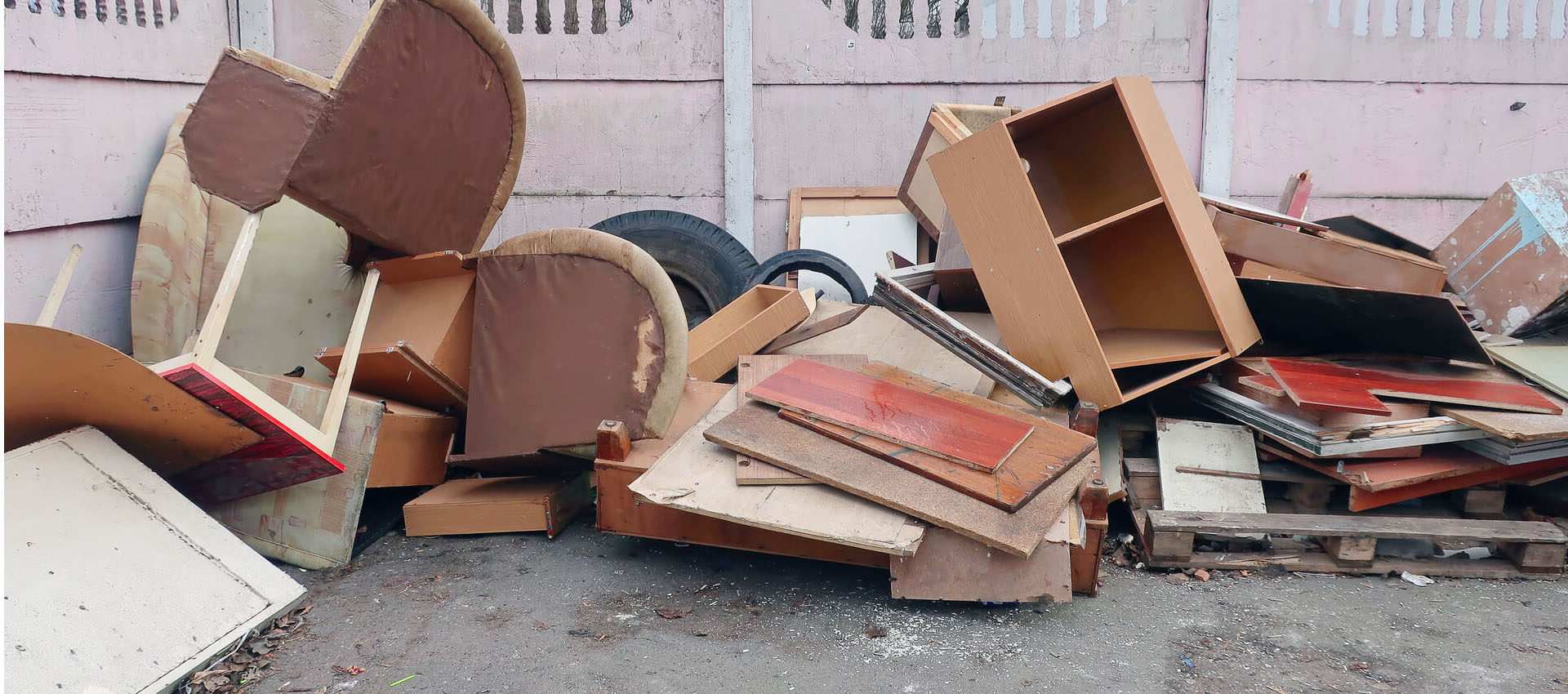
How Professionals Help Maximise Your Bond Return:
Reputable waste removal service experts help tenants get back as much of their bond as possible.
First, as per Victorian tenancy laws, tenants are required to return the property in a "reasonably clean" condition. They must thoroughly remove all their unwanted trash and keep the property clean to meet the standard, which is one less thing the landlord can claim against.
Second, generally, tenants can be benefitted from the zero-damage guarantee by experineced rubbish removal services. They remove all unwanted trash without damaging the property or the belongings, which is a direct financial benefit. Their expertise prevents scratches, scuffs, and breakages during removal to avoid costly repair bills that would otherwise be deducted from the bond.
A property cannot be effectively cleaned when it is left with a lot of leftover rubbish. Removalists make it easier for professional cleaners to complete their work by cleaning the area first. This complete strategy minimises the likelihood of disputes relating to cleaning, which is the most common cause of bond claim complaints.
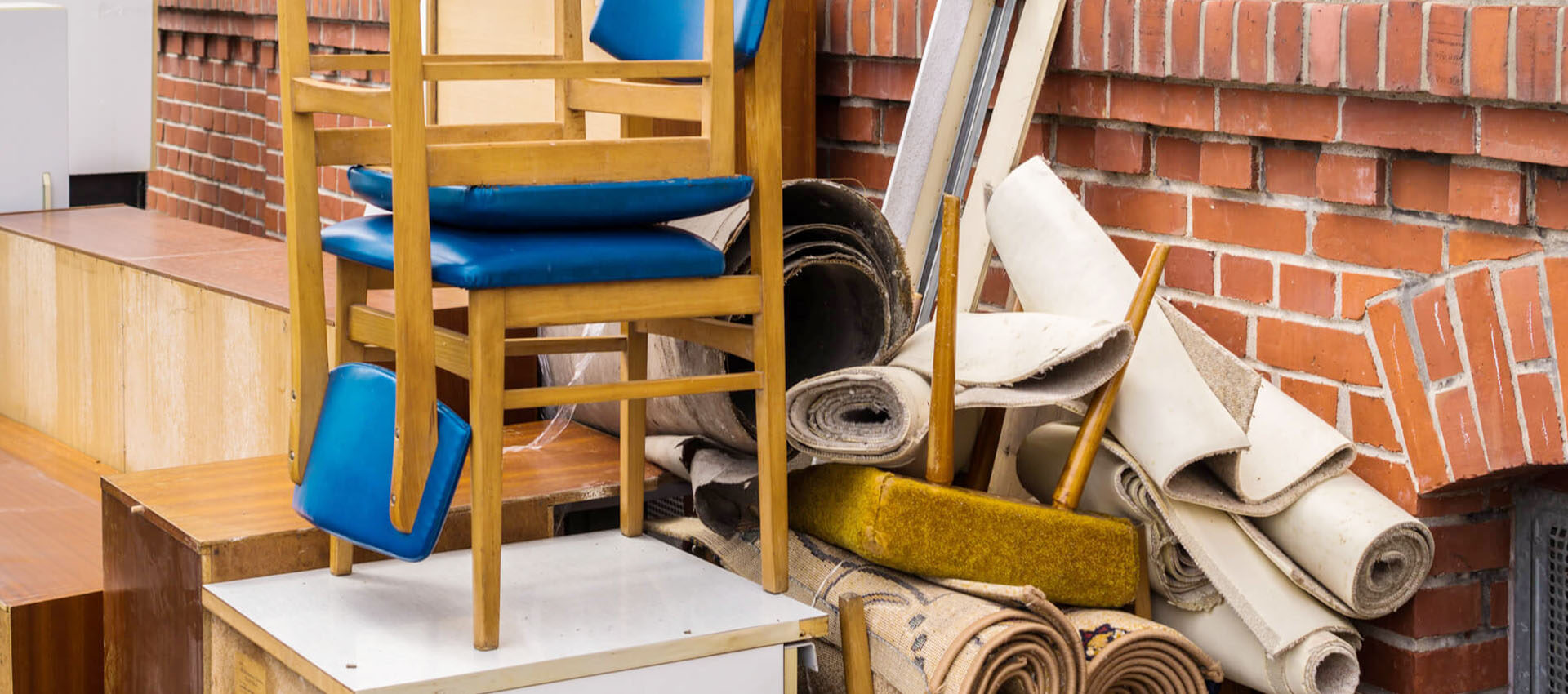
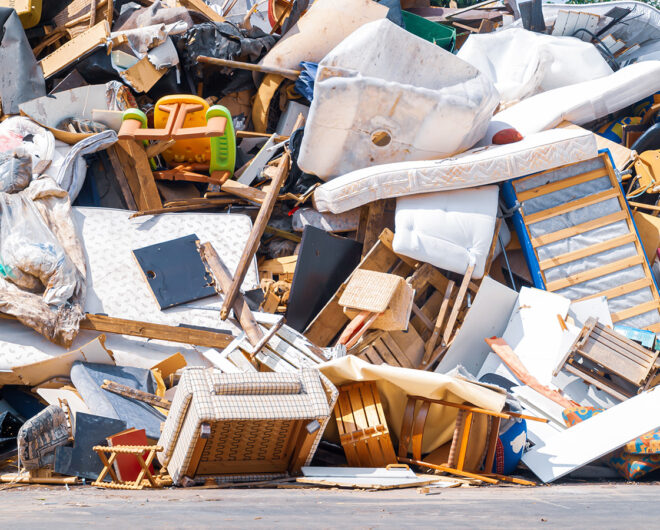
Overall, people should hire a reputable waste removal companies for specific end-of-lease services, collecting everything from excess rubbish and old furniture to e-waste and green waste that meets the lease obligations.